Everything Is Movement—Including What We Believe
Mar 30, 2026
How beliefs shape what we see, and what becomes possible for a child.
“Without movement there is no life.” ~ Ai Qing
I often explain to parents that I work with movement. And by movement, I don’t mean only physical movement, but also emotional and cognitive movement. This can be hard to grasp. It might make sense in the moment, but even the parents I work with find it difficult to come up with examples or explain it to others.
Life is a constant, dynamic flow. Everything is coming and going, reorganizing within a shared, dynamic, interconnected system. There is no true stillness.
From our breath and the movement of the body that comes with it, to the flow of blood, the heartbeat, the blinking of our eyes, swallowing, smelling food, noticing a message, feeling the softness of a couch, experiencing joy while reading, thinking about family, dreaming… all of it is movement.
What doesn’t fall into movement?
And if movement is everywhere, doesn’t that mean the opportunity for change is also everywhere?
And yet, for many special needs parents—who have struggled and tried for so long—it becomes difficult to stay connected to a sense of possibility and wonder.
Nothing captures this better for me than the famous quote from Moshe Feldenkrais:
“Our only limitation is our belief that it is so.”
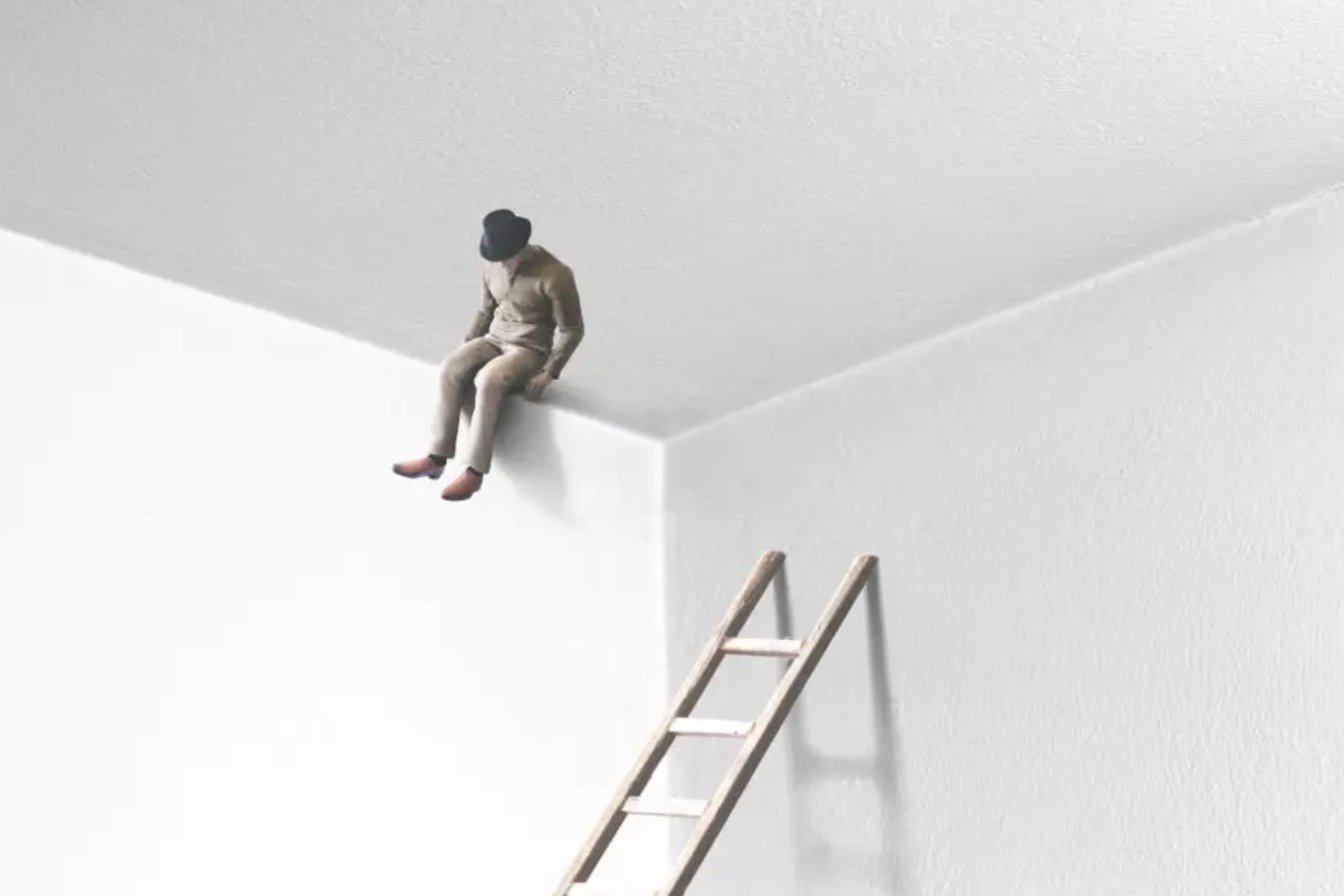
As cliché as it may sound, this is often the point that makes the biggest difference in a child’s development.
More often than not, when something new or unexpected happens during a lesson, it gets dismissed. I might say:
“I don’t know if he does this at home—I haven’t seen it until now—but did you notice he just used his right side to come to sitting?” (he usually uses the left)
And the response is often:
“Oh, he sometimes tries, but he can’t do it.”And I say:
“He just did. He can.”
This happens a lot. Parents don’t trust what they are seeing when something new emerges. There is a missing acknowledgment of what is happening now—especially if it is not yet perfect. Inability to truly see. And with that, a missed opportunity to celebrate it.
No one learns by going from 0 to 100 in one step.
But being with the child along the way even if it is 0.1 —that is essential.
This is why seeing what is becomes a skill. A practice. Something I actively teach parents.
And this is not about blame. It’s not a conscious choice to overlook success. It’s just that the energy of love sometimes misses its target.
Questions to yourself
-
Do I find myself thinking, with sorrow, that my child cannot do something—more than three times a day?
-
Do I say to others, on a daily basis, what my child cannot do?
-
Do I say it in front of my child?
When we focus on what is not, instead of what is (and there is always something there, even in the presence of big challenges), we begin to reinforce that reality.
It becomes the foundation from which we relate to the child.
Now imagine this:
-
Your partner thinks, with sorrow, several times a day, that you can’t do something
-
Your partner tells others about what you can’t do
-
Your partner talks about your limitations in front of you
How does that feel?
Does it make you curious? Open? Willing to explore?
Or does something in you start to settle into: I can’t
If this continues, that belief takes shape.
In the flow of life it spreads like ink in water.
And as we keep adding to it, the water becomes more and more colored. Darker. Denser. Solid.
Over time, we begin to identify with that color. And its aftermath.
We become it.

Movement and beliefs are shaping our lives—and the lives of those around us—all the time.
Our children believe us.
With or without words, they sense the quality of our presence.
So the question becomes: